









Mango growers in the Island Garden City of Samal (IGACOS) were advised Monday to protect the bees that pollinate their mangoes, as these insects play a vital role in improving fruit set, boosting yields and enhancing fruit quality.
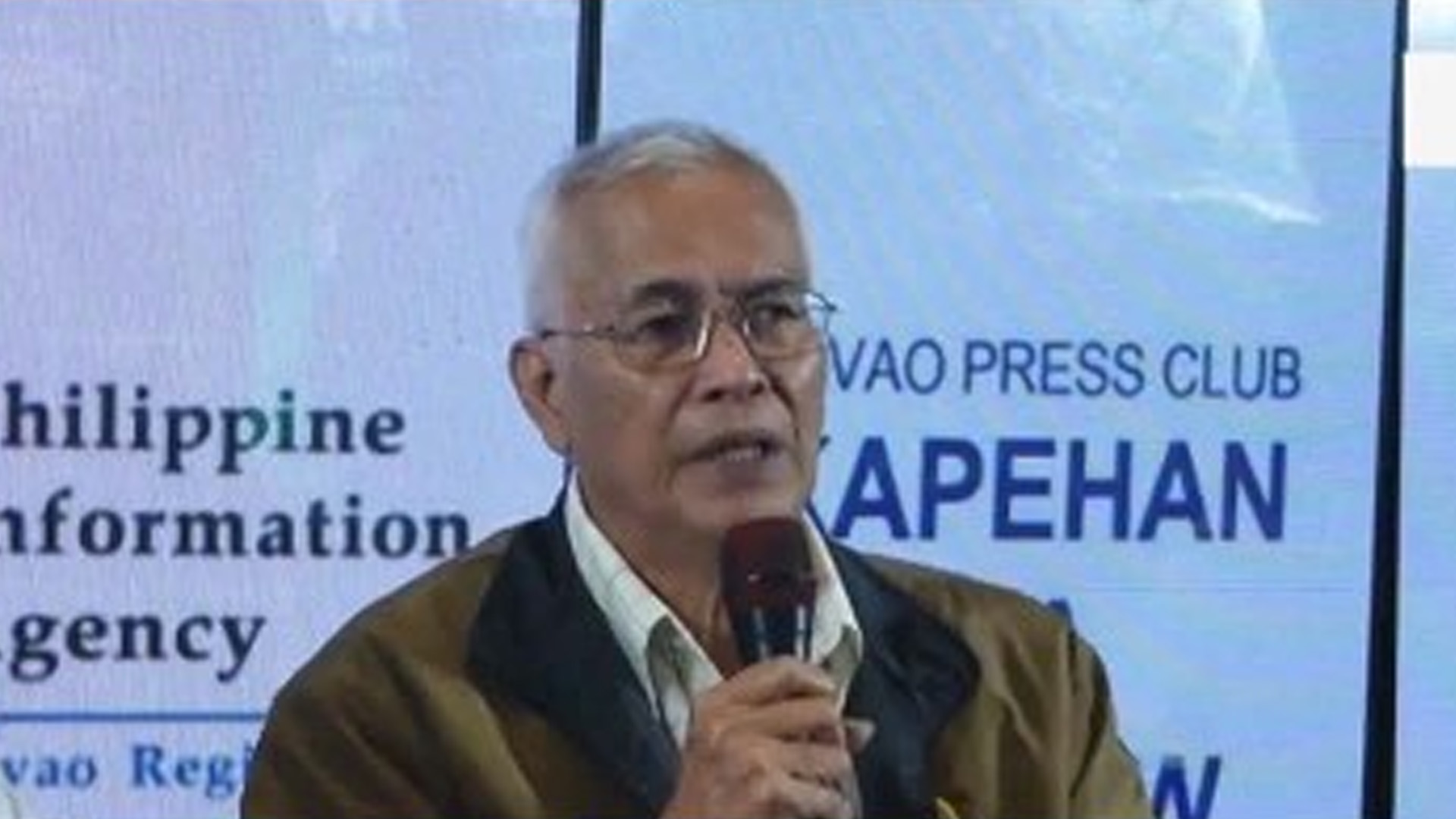
In a press briefing here, Epifanio Loyola Jr., chairman of the Regional Agri-Fishery Council of the Department of Agriculture-Davao (DA-11) and president of the Beekeepers Network Philippines Foundation Inc., said “small bees” are largely responsible for the sweetness of Samal’s mangoes.
“IGACOS mango is delicious because the small bees helped in pollination,” Loyola noted, stressing that their role is crucial.
“We promote taking care of them. Other countries even rent bees for pollination,” he added.
He highlighted the Asiatic honey bee (Apis cerana) as a highly effective native pollinator in mango orchards.
During peak blooming, managed pollination can significantly increase fruit set, size and overall yield compared to relying solely on open pollination.
Loyola also urged farmers to limit spraying during the flowering season to avoid harming pollinators.
He shared that researchers from the DA-Bureau of Agricultural Research and the University of the Philippines Los Baños will begin a study at IGACOS on June 16 to examine the effects of pollination on mango flavor and strategies for bee conservation.
Recently, DA-11 facilitated a visit by South Korea’s Sae Kyoung Co. to a Samal mango farm.
The company praised the fruit’s flavor and quality, describing it as “a really good mango.”
DA-11 is intensifying efforts to connect local farmers to international markets, with South Korea eyed as a potential buyer.
A key requirement for entry is compliance with maximum residue limits (MRLs), which set the allowable levels of pesticide residues on fruit. (PNA)