









The National Irrigation Administration (NIA) has been implementing measures to mitigate the possible effects of the El Niño phenomenon this year.
In an interview on Tuesday, NIA Ilocos regional manager Geffrey Catulin said dams and irrigation canals are desilted to ensure proper water flow as they remind irrigators or farmers of the alternate wetting and drying of crops.
“The fields should not be soaked in water but should just have enough so the water would flow and reach the end portions,” he said in Filipino.
NIA would also do rotational water delivery to farmers in case there was not enough to cover their areas.
Catulin said the farmers were told to diversify crops especially those whose plantations are situated in higher areas.
“We asked them to plant crops that could withstand the temperature and would not require too much water such as high-value crops,” he said.
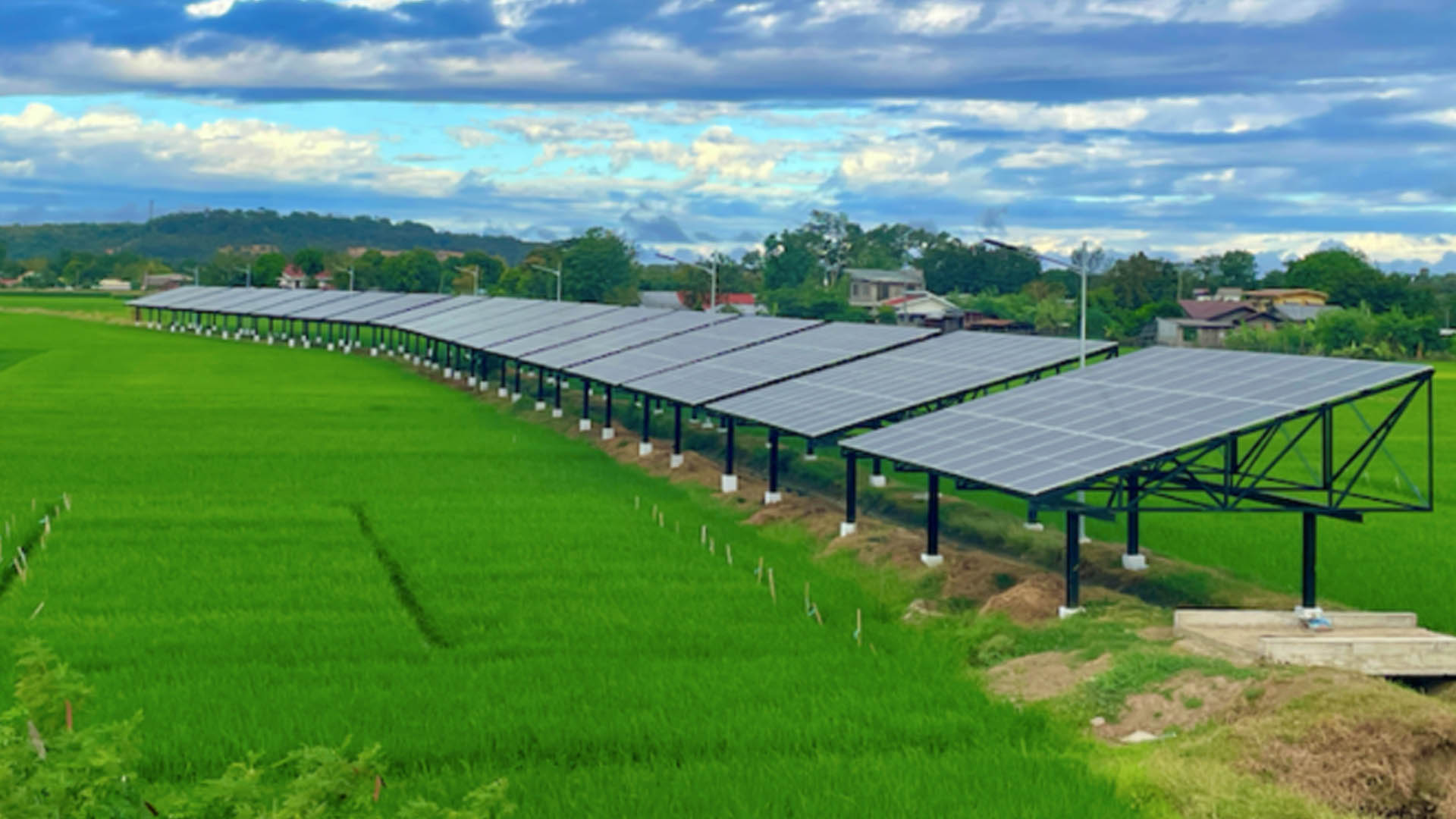
Water pumps are provided to farmers and the Solar Pump Irrigation Program (SPIP) has been helpful so far.
“We have been implementing the new technology or construction of solar pumps under the SPIP. Last year, there were 19 funded, 11 were completed while the construction of the eight remaining is ongoing,” Catulin said.
Priorities under the program are areas that are rainfed and have no access to water irrigation, he said.
He added irrigators associations may send NIA a resolution should they wish to avail of the program.
The request would be validated using technology to verify if there is enough groundwater source in the identified location for the construction of the solar-powered water pumps.
Catulin said each solar pump could cover a minimum of 10 hectares and maximum of 15 to 20 hectares for rolling fields.
In Ilocos Norte, three pumping stations are being converted to run with solar-power instead of electricity to save in power consumption bills.
Catulin said they were able to irrigate 116,000 hectares in the region against the 115,000 hectares target in the first cropping season. A total of 109,000 hectares have been harvested.
“There were no reports yet on the effects of El Niño since we are still in the harvest season,” he said.
Meanwhile, in Pangasinan, NIA Irrigation Management Office said it is preparing for the second dry cropping season amid the threat of El Niño.
NIA Pangasinan Irrigation Management Office division manager John Molano, in a separate interview, said while they were able to irrigate 53,164 hectares surpassing their target of 50,974 hectares in the first dry cropping season, they would not be able to reach their target of 11,410 hectares in the second dry cropping season because of the El Niño.
He said they have been conducting information dissemination so the farmers could diversify their crops, and provide them as well with water pumps and SPIP.
NIA Pangasinan principal engineer Harry Villanueva said among the crops they encourage farmers to plant are monggo, corn, and watermelon.
“Those are the tail-end areas like Malasiqui, Sta. Barbara, Mapandan, and Manaoag were discouraged to plant rice during the second dry season,” he said.
Villanueva said they are focused on providing sufficient water to the remaining 10 to 15 percent planted rice that are in reproductive stage.
He said they are keen on monitoring the areas at the fifth and sixth districts of the province, which are highly dependent on the water from the San Roque Dam.
As of May 5, San Roque Dam’s water level is at 230.38 meters above sea level (masl) which is 13 meters lower than the recorded water level on the same period last year at 243.76 masl.
Its critical low level is 225 masl. (PNA)