


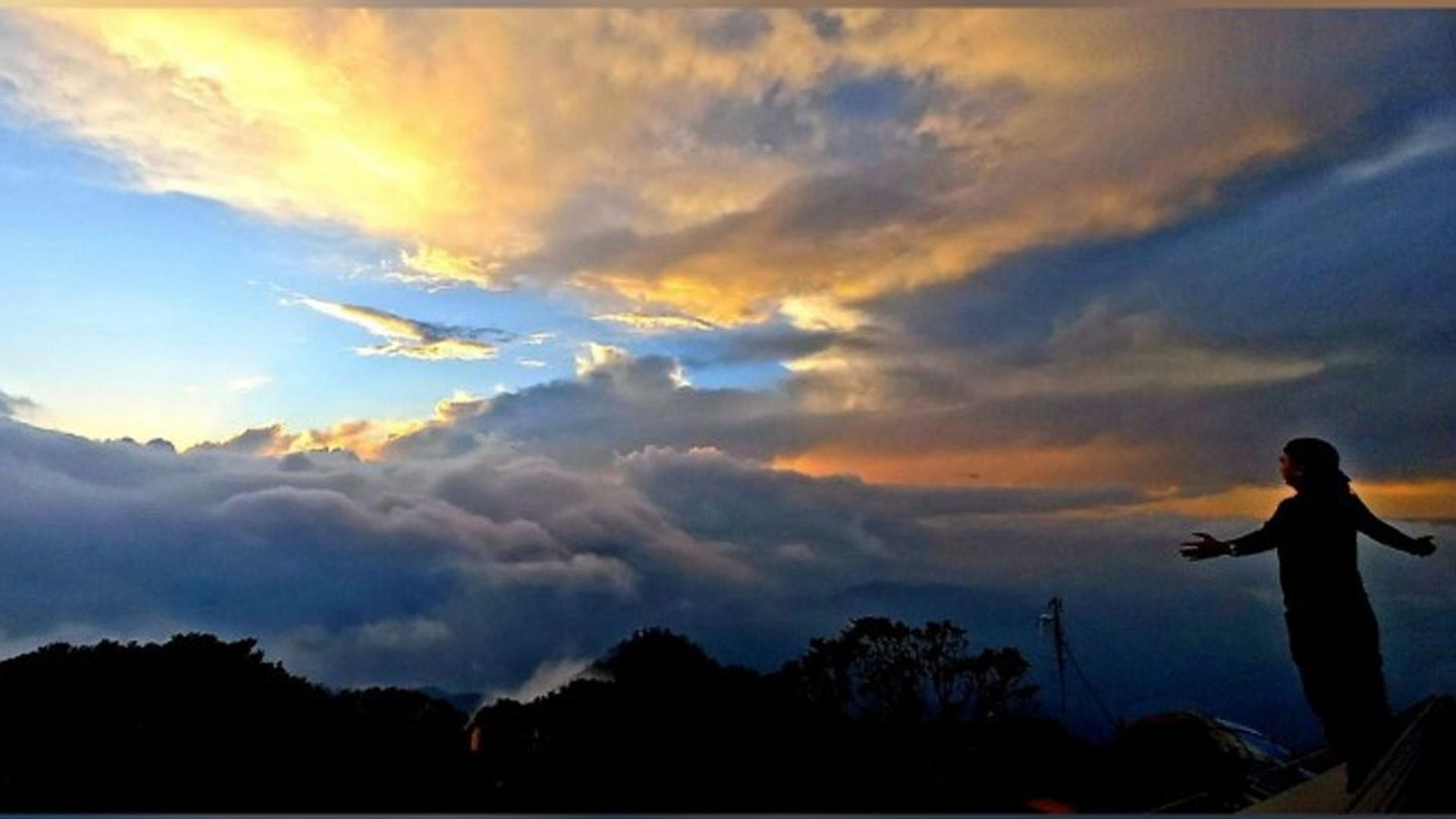







Interest in communing with nature surged following the pandemic, as more people sought ways to ease worries and pressures brought about by movement restrictions and the challenges that followed.
Camping and hiking were among the activities that gained more enthusiasts, benefiting the local tourism industry.
One of the beneficiaries is the municipality of Barlig in Mountain Province, which recorded a total of 10,529 visitors across its four tourism areas in 2025 alone.
The municipality is home to Mt. Amuyao, one of the highest peaks in the Philippines with an elevation of around 2,702 meters above sea level, which attracted 1,135 tourists last year. The Macalana Rice Terraces also drew 1,135 visitors, while Lake Tufob welcomed 1,064 tourists and the Eagle View Deck logged 7,195 visitors.
In the first quarter of this year alone, around 2,900 tourists visited the municipality’s destinations.
While this is seen as a positive development for tourism, problems arise when undisciplined visitors leave waste behind or improperly dispose of trash in these areas.
In an interview with the Philippine News Agency, Queenie Martinez Francisco, a mountaineering fundamentals training provider who holds a Leave No Trace (LNT) training certification from the United States, said hiking became increasingly popular after pandemic movement restrictions were lifted.
She said hiking became one of the outlets people turned to “for fitness and mental health, amplified by social media exposure.”
“This growth has brought both benefits and challenges to local communities, generating income through tourism, tour-guiding, and small businesses, but also causing issues like overcrowding, environmental damage, and disrespect of local culture due to irresponsible hikers,” she said.
“To address this, the government can implement stricter permit systems, limit daily visitor capacity, require environmental orientation or accreditation for hikers, enforce penalties for violations, and work closely with local communities to ensure sustainable tourism practices that protect both the natural sites and the people who depend on them,” she added.
Leave No Trace
Francisco emphasized the importance of personal knowledge and preparedness when going to the mountains.
She underscored the need for Leave No Trace (LNT) or basic mountaineering course (BMC) training before starting a hiking or mountaineering journey, noting that “most accidents in the mountains happen because of lack of knowledge, (resulting in) getting lost, dehydration, injuries, or making poor decisions during sudden weather changes.”
“Through training, you learn essential skills like navigation, proper pacing, emergency response, and basic first aid, all of which are critical in real outdoor situations,” Francisco said.
“Training also emphasize environmental responsibility by teaching principles such as Leave No Trace, proper waste management, and respect for nature and local communities. At the same time, it builds teamwork and leadership skills, which are essential since hiking often involves group dynamics, communication, and shared responsibility.”
Francisco, who provides BMC training at a popular sports store in the country, said such training benefits not only tourism sites but hikers themselves by equipping them with the necessary mountain skills.
“Mountaineering training is not just for serious climbers, it is for anyone who plans to hike regularly and wants to do it safely, responsibly, and with confidence,” she said.
“Most importantly, it gives you real confidence, not the kind that relies on guesswork, but one (that is) grounded in knowledge and preparation. In the end, joining mountaineering training is not about being ‘extra,’ but about being prepared, minimizing risks, and fully enjoying the mountains the right way,” she added. (PNA)