


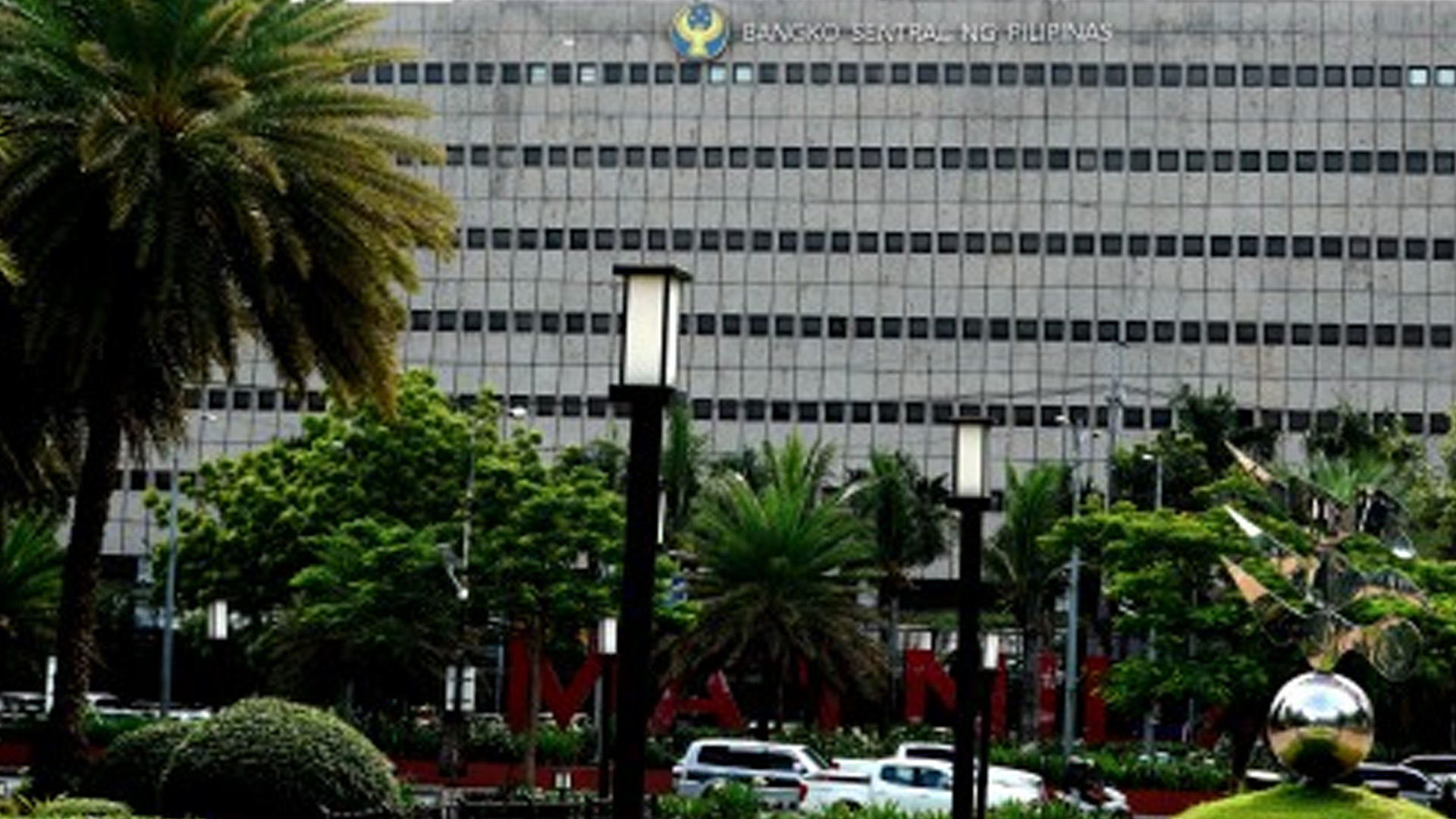







Bank lending and domestic liquidity growth accelerated in May this year, Bangko Sentral ng Pilipinas (BSP) data showed.
Preliminary data released late Tuesday showed that loans from universal and commercial banks (U/KBs) increased by 12.1 percent in May this year, faster than the 11.4 percent growth seen in April, reflecting banks’ expectations of steady loan demand from businesses and households in the second quarter.
Outstanding loans issued by U/KBs during the month amounted to PHP14.98 trillion.
Outstanding loans to residents grew by 12.6 percent in May.
The BSP said resident loans accounted for the bulk of total outstanding loans.
Loans for business activities went up by 11.7 percent in May.
The BSP said higher lending was recorded in key industries such as electricity, gas, steam, and air-conditioning supply, real estate activities, wholesale and retail trade, and repair of motor vehicles and motorcycles, manufacturing, and transportation and storage.
Consumer loans to residents slowed to 19 percent from 19.6 percent, which the BSP said, reflects softer expansion in credit card and motor vehicle loans.
The BSP monitors bank loans because they are a key transmission channel of monetary policy.
Meanwhile, domestic liquidity (M3) grew by 12.8 percent to PHP20.6 trillion in May, driven mainly by the sustained expansion in borrowings by both the private and public sectors.
In April this year, M3 expanded by 12.4 percent.
“The increase in domestic liquidity supports economic activity by facilitating consumption, lending, and investment,” said the BSP.
M3 is a broad measure of money supply that includes currency in circulation, bank deposits, and other financial assets that are readily convertible to cash.
Credit to production sectors and households, mainly in the form of bank loans, continued to grow and support economic activity while the national government’s issuance of debt securities and withdrawal of deposits from the BSP and banks to finance its spending also contributed to growth in domestic liquidity.
Higher net foreign assets (NFAs) which represent the difference between claims on nonresidents and liabilities to nonresidents of depository corporations, also contributed to M3 growth.
The BSP’s NFA expanded by 8.2 percent while banks’ NFA also grew due to increased holdings of foreign currency-denominated debt securities.
M1, or a narrower measure of money supply comprising currency in circulation and current account deposit liabilities, went up by 9.5 percent.
The BSP assured that it will continue to ensure that domestic liquidity conditions remain consistent with its price and financial stability objectives.
Reyes Tacandong & Co. senior adviser Jonathan Ravelas said the strong double digit growth in both bank lending and domestic liquidity suggests that the BSP’s earlier rate cuts are now gaining traction in the real economy.
“Lower borrowing costs, improving business confidence, steady consumer spending, and continued government expenditures have encouraged more credit demand and increased liquidity in the financial system. What’s encouraging is that lending growth is broad-based from businesses expanding operations to households spending and investing, which points to a strengthening domestic demand environment,” he said in a Viber message Wednesday.
“This is a positive signal for economic growth moving forward, although the BSP will still need to balance this momentum against inflation and global uncertainties to ensure growth remains sustainable,” Ravelas added. (PNA)